
Having a Drain Survey Done Helps Identify the Real Cause of Drainage Trouble
From Blockages to Broken Pipes: What Drain Cameras Can Detect
Recurring drainage trouble has a habit of making itself known at the worst possible time. A sink empties slowly, a bad smell keeps returning, or an outdoor drain backs up after heavy use, yet the reason is not always obvious. That is where having a drain survey done can make a real difference. Instead of treating only the visible symptom, a CCTV inspection gives drainage professionals a clear look inside the pipework. The camera can travel through accessible sections of the system, showing what is actually happening below ground and helping separate a temporary blockage from a more serious structural problem.
One of the most common findings is a buildup of grease, soap residue, silt, or other material that gradually narrows the pipe. Small objects can also become lodged in awkward places and create repeated obstructions. A camera makes these problems much easier to identify because the technician can see the location and extent of the restriction rather than relying on guesswork. This is especially useful when a drain has been cleared before but keeps causing trouble. The footage can show whether the issue was only partly removed, whether another blockage is developing farther along, or whether the pipe itself has a defect that is catching debris.
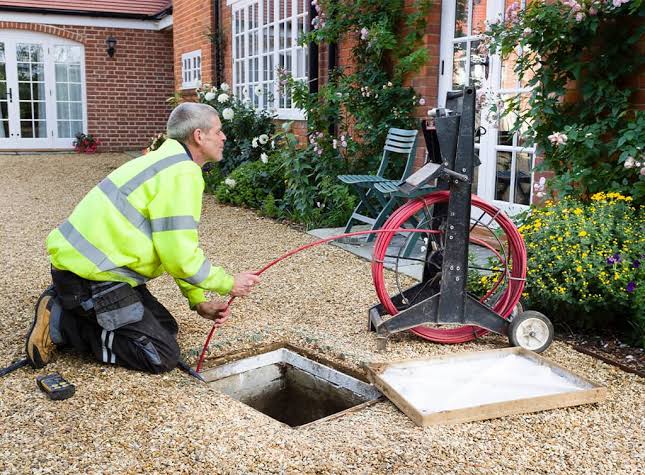
Structural damage is another important reason to inspect drains from the inside. Pipes can crack, shift at the joints, deform, or in severe cases collapse. These faults may allow water to escape into the surrounding ground or create rough areas where waste collects. Tree and shrub roots are another familiar culprit. Once roots enter through a small crack or lose joint, they can continue growing inside the pipe and interfere with flow. A CCTV survey can reveal the point of entry, the amount of root growth, and any damage around it, giving the repair team a far better basis for deciding what needs attention.
Scale deposits can be just as troublesome, particularly in older drainage systems. Mineral buildup may coat the inside of a pipe, reducing its diameter little by little until normal flow becomes difficult. The symptoms can look similar to an ordinary blockage, but the treatment may be different. Camera footage can also highlight poor connections, sections laid at an unsuitable angle, displaced joints, or previous repairs that have deteriorated. This level of detail matters because two properties with the same slow-drain symptom may have completely different causes. Finding the true source helps avoid repeated callouts and unnecessary work.
For property owners, the biggest advantage is clarity. Drainage problems are frustrating enough without spending money on solutions that do not address the cause. By having a drain survey done before major repair work, it becomes easier to understand what is wrong, where the defect is located, and how serious it may be. The recorded inspection can help professionals recommend targeted cleaning, root removal, pipe lining, local repair, or replacement where necessary. It turns an underground mystery into something visible and measurable, which usually means better decisions, less disruption, and a much more sensible route toward getting the drainage system working properly again.
…
Read More